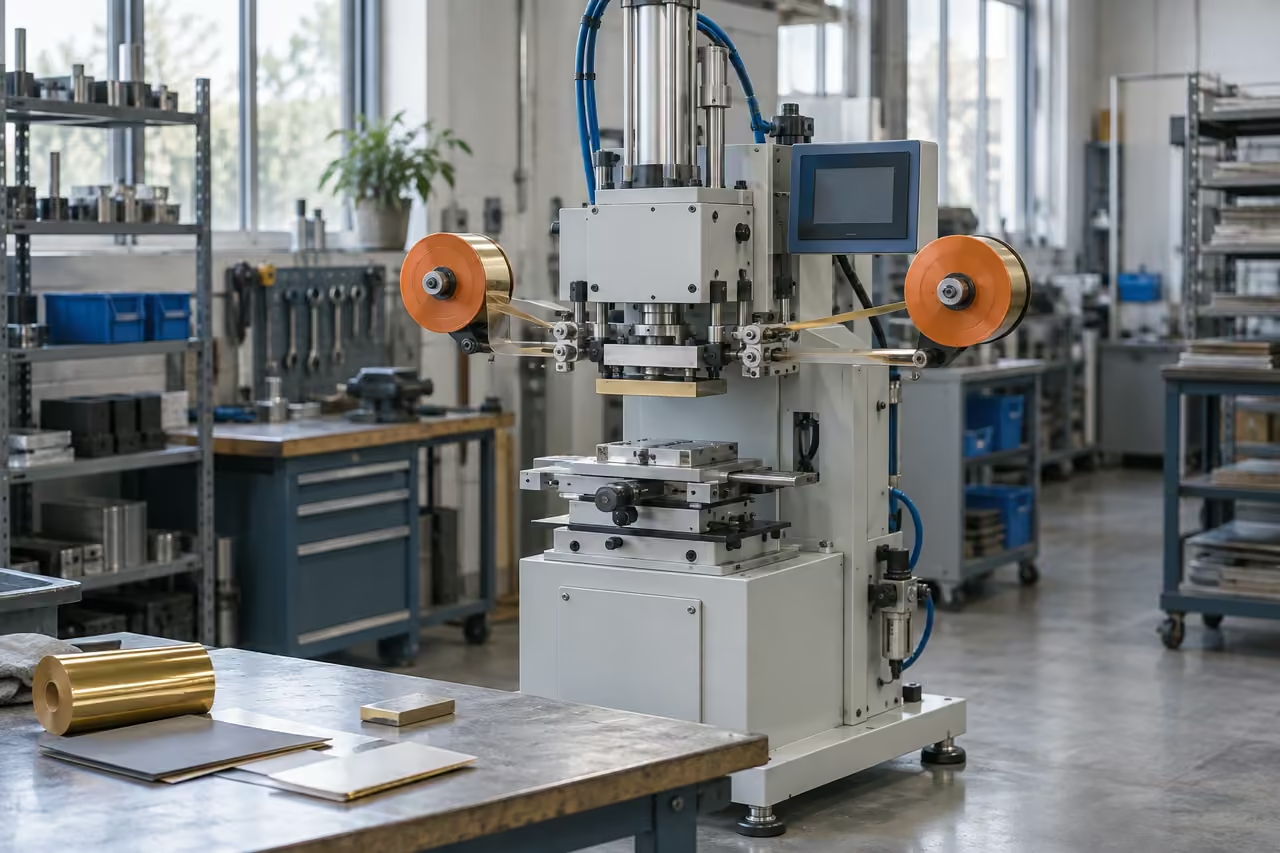

Pad Printing Machines
Silicone-pad transfer for logos and markings on small, curved or recessed parts.
Explore Products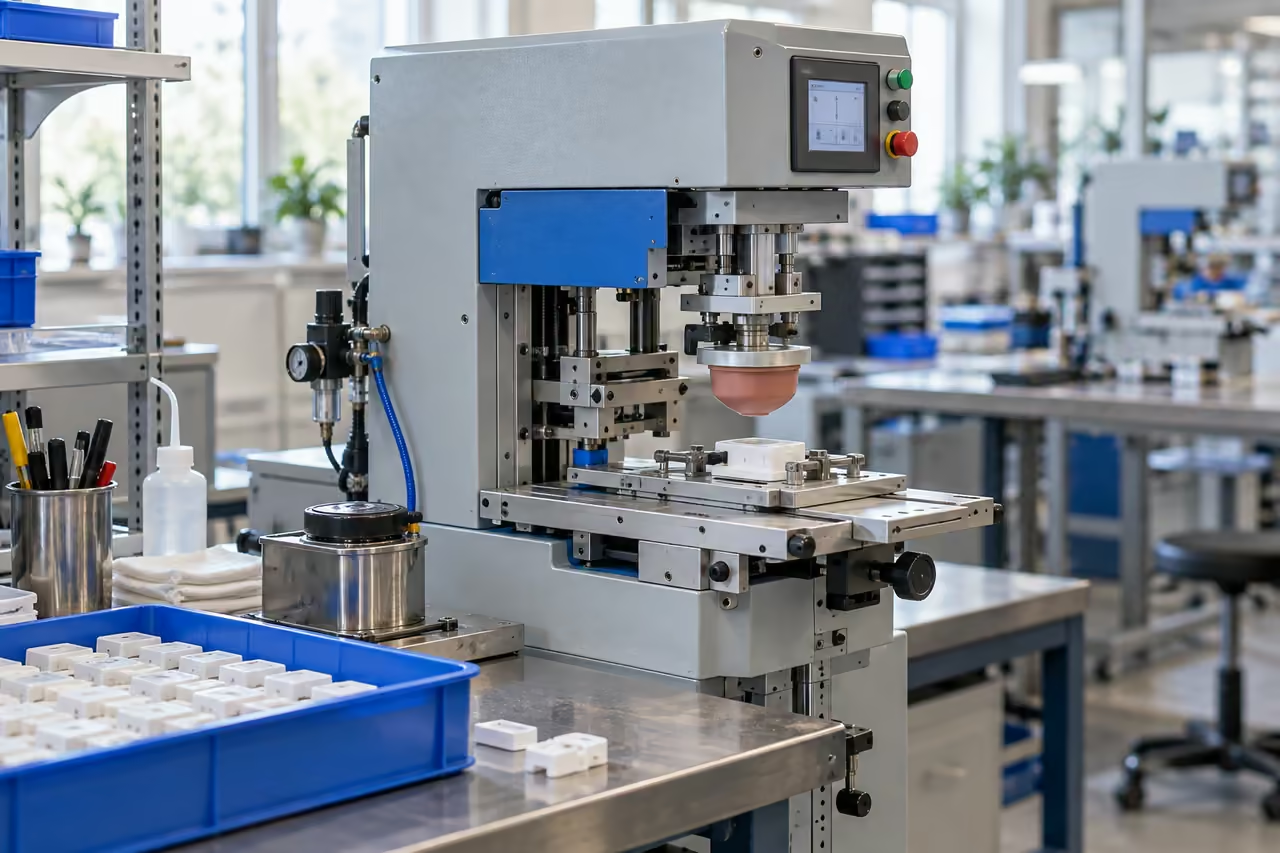
Focused on your production needs since 1994. Explore pad printing, screen printing and hot stamping machines, consumables and printing services in one place.
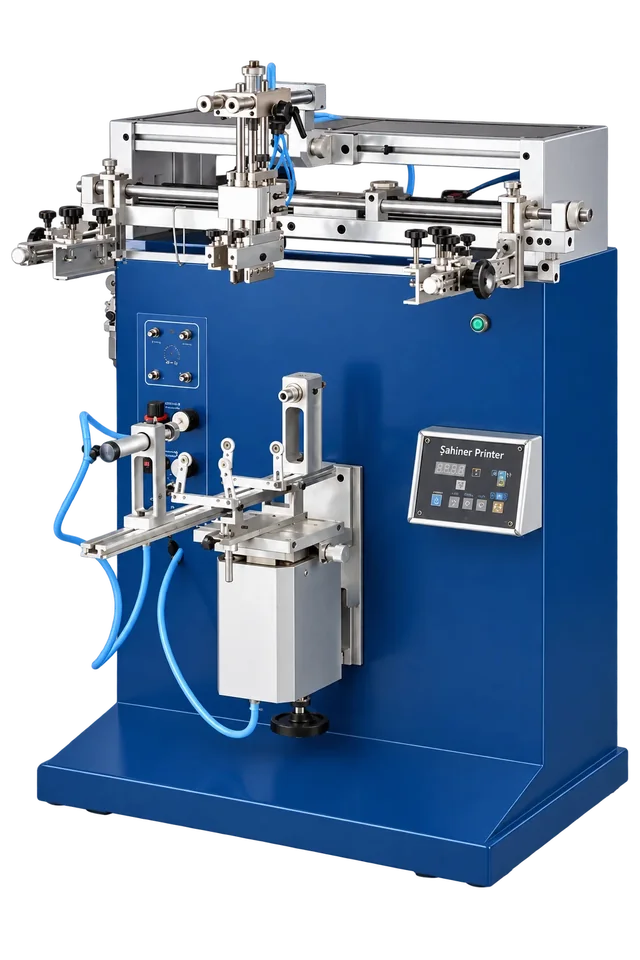
Drag horizontally or use the arrow keys.Representative model · not for measurement or assembly.
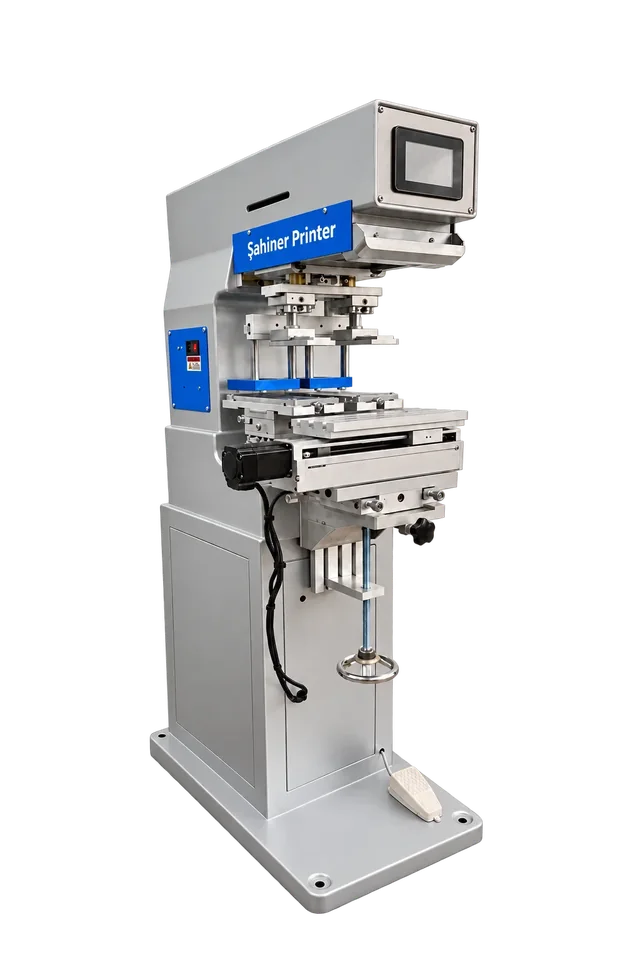 YYCS-250-90Explore model
Start with the right path, whether you want to print in your own production or ask us to handle the printing.
Small parts, flat surfaces or cylindrical products: choose a printing method around your product.
Silicone-pad transfer for logos and markings on small, curved or recessed parts.
Explore ProductsInk transfer through a screen for flat surfaces and suitable cylindrical products, with equipment chosen around the application.
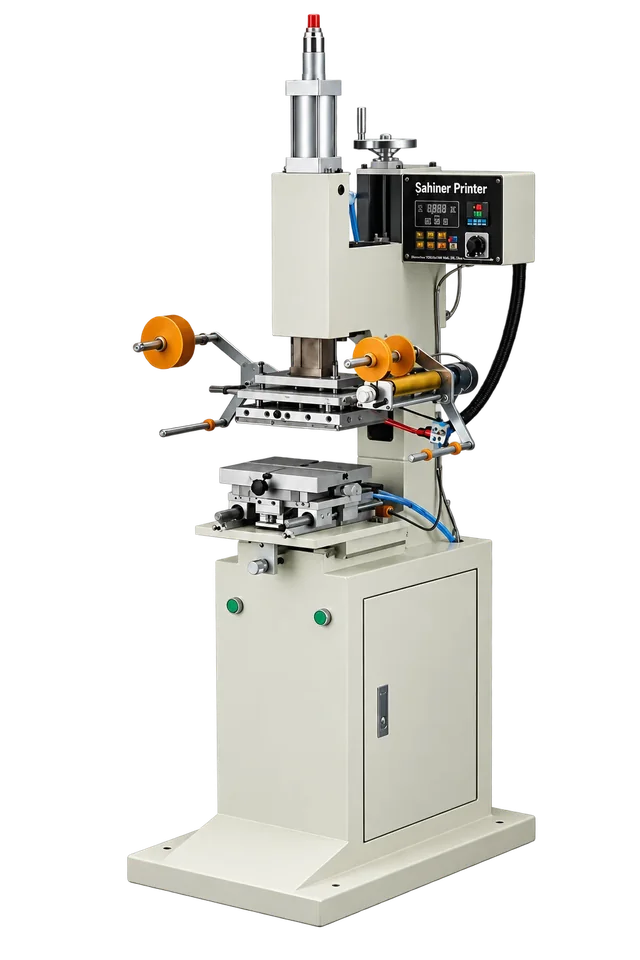
Explore ProductsHeat, pressure and die-based equipment for metallic or coloured foil transfer onto suitable surfaces.
Explore Products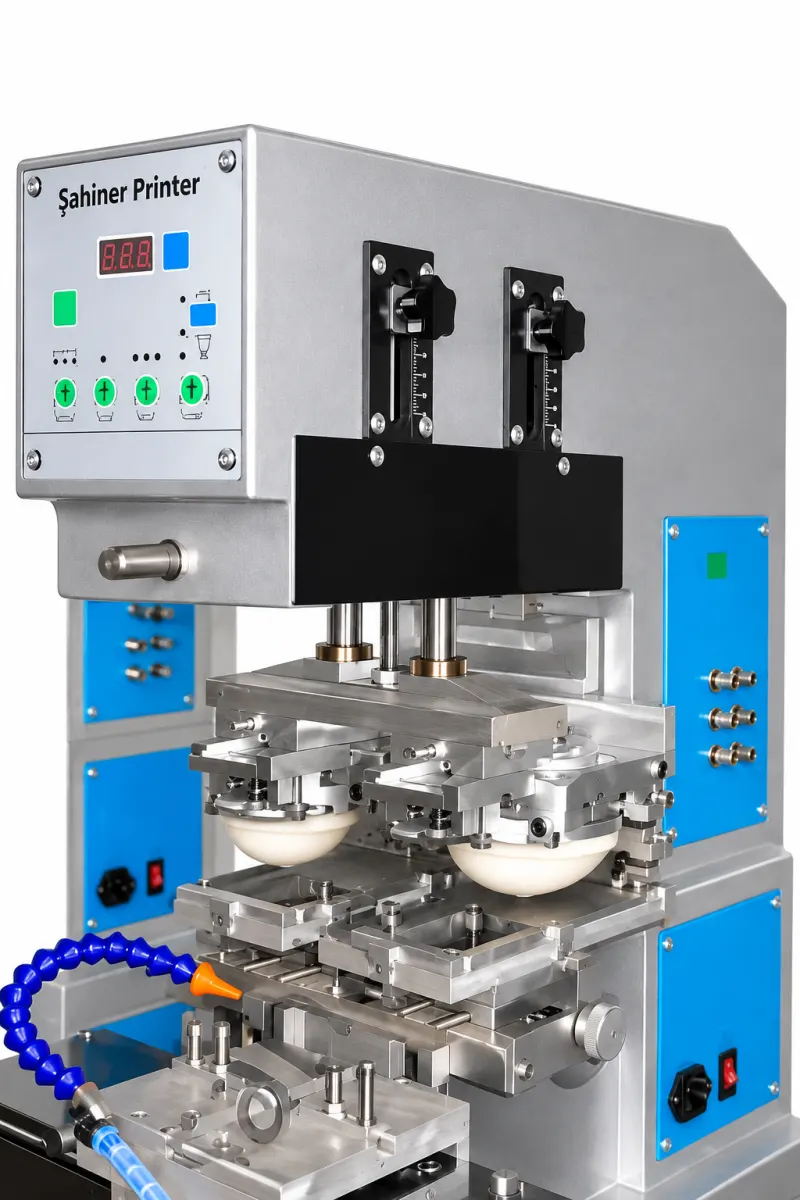
Plates, silicone pads, inks and compatible parts, selected around your machine model and application.
Explore ProductsRequest printing services without investing in machinery. We assess the material, artwork and quantity to identify a suitable process.
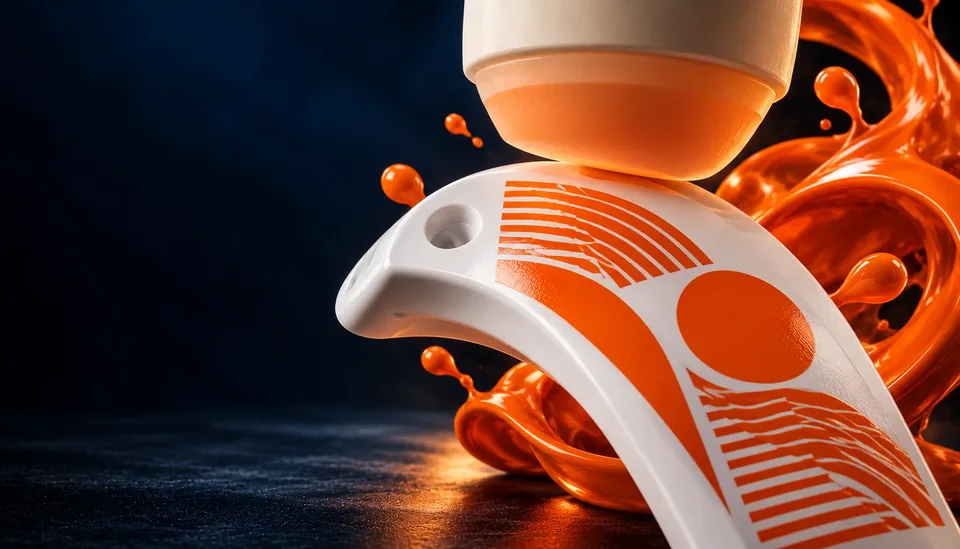
Discuss logo and marking applications on small parts, promotional products and curved surfaces.
Explore service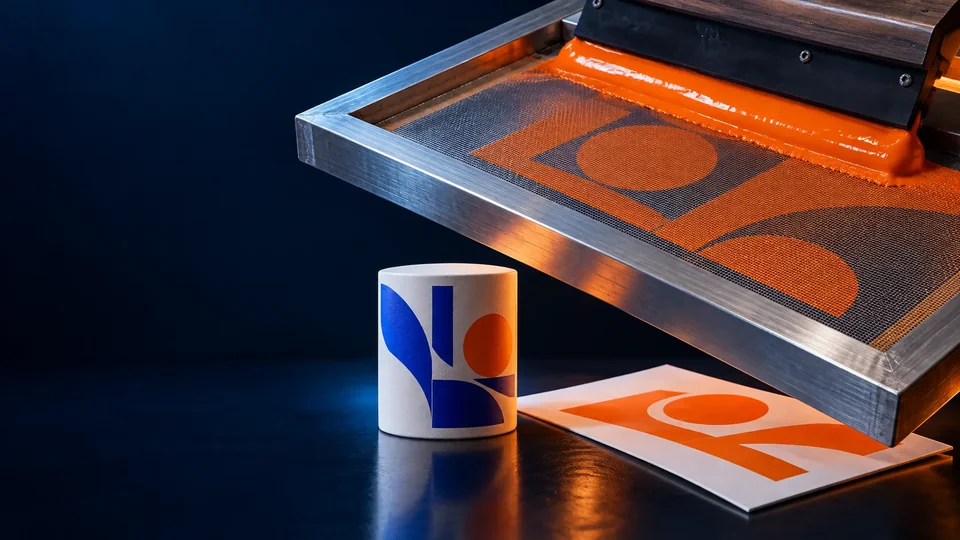
Screen printing applications for flat parts and suitable round products, assessed by print area and material.
Explore service
Unsure of the method? Let us review the surface, intended finish and production requirements together.
Explore serviceSend us the material, print area, number of colours and approximate quantity so we can assess feasibility.
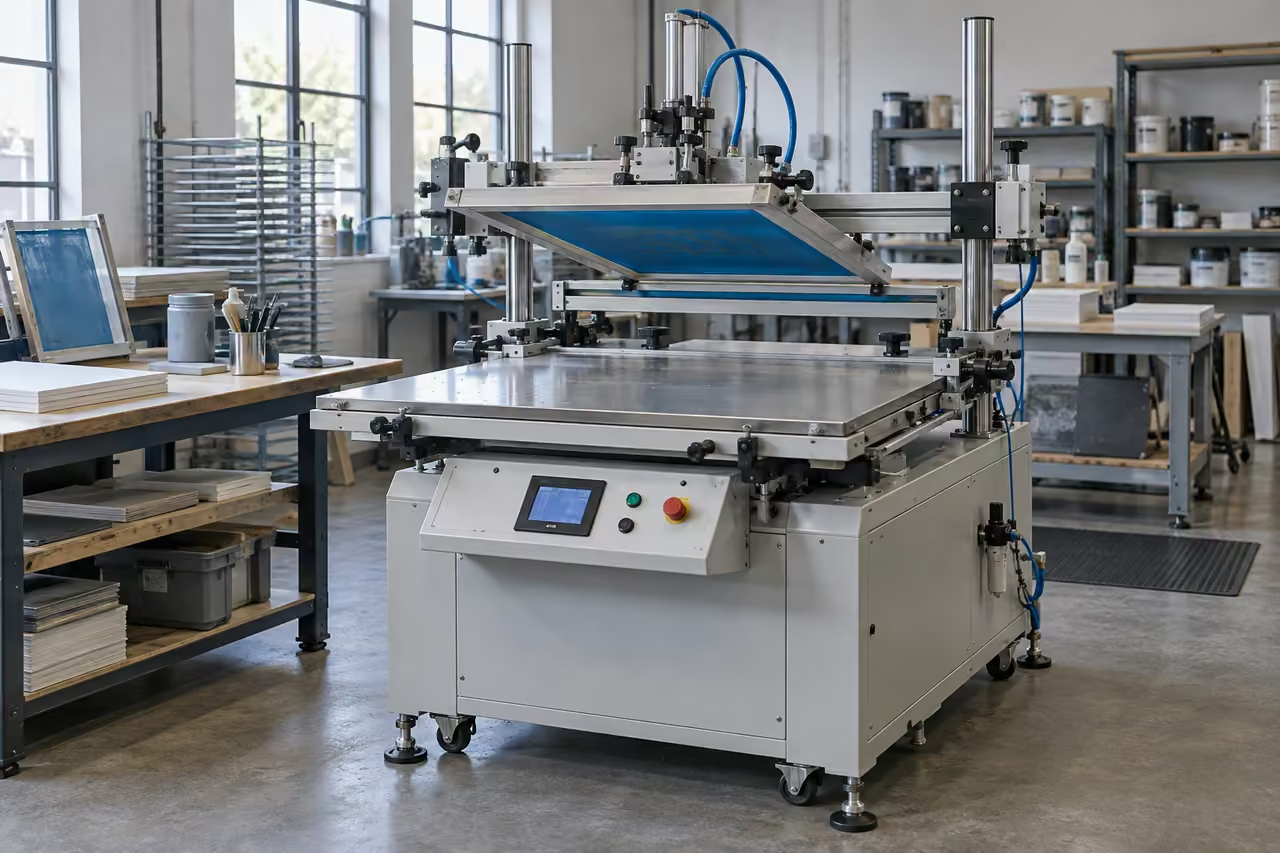
Compare colour count, print area and product fixturing; use 3D to explore the machine from different angles.
Since 1994, we have considered machinery, printing services and consumables together as parts of the application. Your product is our starting point.
Get to know usWe consider the surface, print area and colour count together when matching equipment to an application.
Choose a separate path for in-house printing equipment or printing on your finished products.
Consider plate, pad, ink and part compatibility alongside the equipment.
Start with the product, artwork and quantity to discuss preparation requirements and what the quotation covers.
Practical guides to pad, screen and hot stamping, materials, inks and equipment selection.
Pad printing transfers an image from a plate to the product with a flexible silicone pad. Its ability to conform to a surface is useful for logos or markings on small and curved parts.
Read the guideScreen printing pushes ink through the open artwork areas of a mesh using a squeegee. A flat panel and a cylindrical bottle have different print movements and fixture requirements.
Read the guideA heated die and pressure transfer the decorative layer of a foil onto a suitable surface. Metallic or coloured finishes can be considered, depending on the material and foil.
Read the guideChoose your needs, share the details and send your enquiry from one place.
Consider pad printing for small curved parts, screen printing for flat or suitable cylindrical surfaces, and hot stamping for foil effects on suitable materials. The final choice depends on the material, print size, colour count and quantity. Start by describing your product.
Alongside the model, include the material, print area, colour count and planned production quantity. Mention available power and compressed air. Discuss equipment, preparation, consumables and installation scope as separate parts of the quotation.
Yes, you can enquire about printing services. Share the material, artwork, print position and quantity. The scope is agreed after suitability and preparation requirements have been reviewed.
Include product material and size, print width × height, colour count, approximate quantity and target date. Specify each variant if there are different products or designs. Sample and artwork arrangements can be agreed during the first discussion.
Where possible, provide a vector PDF or AI file at actual print size with fonts outlined. Specify the expected colours and print position. Mention if only a low-resolution image is available; artwork preparation requirements can be assessed separately.
A physical sample helps when surface shape, fixturing or material compatibility is uncertain. Sample quantity and trial scope depend on the product. A photograph can help the initial discussion but cannot confirm printing behaviour by itself.
There is no single quantity or schedule for every job. Artwork, colour count, plate or die preparation, product condition and quantity affect the scope. Share your approximate quantity and target date so terms and timing can be discussed in the quotation.
Material, ink, surface preparation and drying conditions are considered together. Mention expected abrasion, cleaning agents or chemical contact. Suitability and any trials are discussed around the application rather than assuming the same resistance on every material.
Include the machine model, part code if available and existing part dimensions. For plates, pads or inks, material and print size also help. Compatibility should be checked rather than assumed from a similar appearance.
The 3D view helps you inspect the overall structure and different angles. Use verified specifications and the required drawings for installation, exact dimensions, connections or manufacturing decisions. Share technical requirements when planning a workspace layout.
Talk to us about machine selection or your printing project.
Message on WhatsApp+90 532 708 71 97Site usage and contact clicks are measured automatically. OK closes this notice.
We record IP address, approximate device and browser details, pages visited, contact clicks and time spent on visible pages.
For approximate country and city, the IP address is sent to GeoJS.
— Visit and contact click data is shared with these providers.